In Afrika, dance is the worship of the Divine with the body. Our bodies are the temple of the most high. Our bodies are wonderfully made. Dance is much more than physical movement- it is a direct way to celebrate life and create healing for the dancer and the audience. Afrikan Dance is a healing tradition of expressive movements that are unique to Afrikans and their Cultural heritages found all over the diaspora of the planet. From the movements of nature and everyday life, Indigo people of Afrikan descent developed specific dances to summon the energy of the world around them into their bodies - the Temple of Life- for connection, communication, Cultural expression, and healing. We dance in a roundabout, where everyone is a participant. We thank the drummers for the tempo, polyrhythm, and vibrational energy. Through dance, we become the Griots telling the stories of the hàunt, the harvest birds, the water, the wind, the fire, the plants and the giant creatures.
These inceptions align with our chakra energy sites, glandular stimulation zones, and Circulatory system...
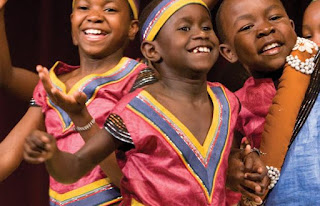


Dance is a proverb expressing the Elemental principals and Powers, The character, strength, and energy of a majestic animal, as well as the nurturing, meditative, relaxing, and transformative and organic nature of our environment. Afrikan Dance is the recognition of our body's own inherent wisdom. Dance is a healing and spiritual endeavor and has become a creative force for transformation. Dancing told the stories of daily news and events as well as the histories of families and communities.


Dance is a proverb expressing the Elemental principals and Powers, The character, strength, and energy of a majestic animal, as well as the nurturing, meditative, relaxing, and transformative and organic nature of our environment. Afrikan Dance is the recognition of our body's own inherent wisdom. Dance is a healing and spiritual endeavor and has become a creative force for transformation. Dancing told the stories of daily news and events as well as the histories of families and communities.
African Dance incorporates an understanding and value of culture deeply rooted in a community. Everyone respects each other, listens, is intuitively aware of space, and pays attention to breathing. We are connected to culture through dances, drumming, and songs that relate our rich Afrikan history. Dances from all of the Afrikan Diaspora are celebrated- From the Motherland of West Afrika: Guinea, Senegal, Mali, Ivory Coast, Ghana, Nigeria, and other Sub-Saharan countries as well as Arabic, Indian, Haitian, Caribbean, and the Americas.
Experiencing our own natural movements, spirit, and sense of humor through improvisation is also cultivated. Jazz, Rhythm and Blues, and Hip Hop have their own origins in the global Afrikan dance Diaspora.


Afro-Hip-Hop Dance
My vision is to garner the expression and energy of our community’s youth, with Amen Ankh Akademy and represent Kansas City metro in local, state and national competitions. I would like to create a variety of artistic expressions that will go on from adolescence into adulthood. Ultimately, I would like to foster a positive climate for Amen Ankh Akademy to become a Mecca that draws the interest, not only to create a sustainable community but a nation. https://amen-ankh.blogspot.com
Dance Squads are team sport activities that use organized routines made from elements of dance, jumps and stunts to direct spectators to events and to cheer on sports teams at games and matches. The athletes involved are called dancers or a Dance Team. Currently, there are a variety of opportunities for a team to compete at Local, State, and National competitions.
“Dance Squads” first appeared in the form of traditional customs and rituals of indigenous cultures for ceremonial rites, (Hunting and fishing parties, funerals, weddings etc.) as a display of respect for the community elders and rulers, and to encourage the hunters or warriors, as they embarked on their missions. This was important, as the Hunter/Warrior represented the very survival of the community. In many cases, drum, dance and oral culture have played a more central role than written communication particularly in the communication of history, tradition and culture between generations.
Placing great value on improvisation, Afrikan American vernacular dances are characterized by ongoing change and development. Because they exist in social spaces and their main 'purpose' is self-expression, they are continually changing to reflect the needs, interests and personalities of their participants. They are also often characterized by their 'stealing' or 'borrowing' from other dance traditions and any particular Afrikan American vernacular dance shows clear evidence of its relationship to other, earlier dances.
Afrikan and American Laborers, incarcerated, and Military, expressed their anguish and pain through work chants and dances.
The phrase 'Afrikan American vernacular dance' is commonly used to refer to those dances which have developed within the Afrikan American communities of the United States from the 1600s. Afrikan people who were captured, enslaved and brought to American and European diaspora, from the were representative of a wide range of ethnic groups, and their dances and cultural lives were similarly diverse. To speak of an 'African American vernacular dance' without qualification is to ignore the vast range of dance practices and traditions which developed from these African roots in communities across the United States. Afro-American dance in the earliest days was a response to the conditions of Colonialism and the capitalization of everything in the perview of European colonizers. Cultural life for Afrikan enslaved in America was controlled by land owners and varied between individual enslavers, local communities and the work in which laborers were employed. In general terms, though, we can say that much of the rich cultural and social life of Afrikan slaves in America was forbidden (for a range of reasons, including social, religious, spite, misunderstanding or simple cruelty), compromised by strict rules, replaced by the culture and climate of the enslavers, or combined with this culture of the enslavers, to produce new hybrid forms. New and different cultural traditions developed not only in different cities across America, but on the properties of different slave owners. There were distinct regional variations in dance in Afrikan American communities, developing as a combination of traditions from different Afrikan ethnic groups, the religious and social predicates of enslavers, and other groups within the immediate society, as responses to the musical and social lives of individuals in that community, and in response to different experiences under slavery.
The idea of dividing performance, competitive and social dance, in Afrikan American vernacular dance, is largely an imposition of Western-European class and cultural values. Now, competition plays an important role in social dance in Afrikan and Afrikan American communities. From the cake walk and lindy hop to 'battles' of hip hop, performances have also been integrated into everyday dance life. Here are contemporary examples; Harlem Shake, Krumping, Hyphy, Snap dance, Cha Cha Slide, Line Dance (Booty Call), Lean wit It, Rock wit It, Walk It Out, footworkin, Chicken Noodle Soup, Crip Walk, Gangsta Walk, Tootsee Roll, The Roosevelt, Getting Lite Poole Palace, Butterfly Dance, Jocin, Tone Wop, Crank Dat Soulja Boy, and A-Town Stomp, and Twerk. Many of these moves can be traced directly to Afrika, South America, and the Caribbean. Like Lin-gin and ka ki Lamba
Initially, percussionists established the rhythm background for our performances. Music is always a preference. Acoustic music is a preference, due to the availability of electricity and audio systems.