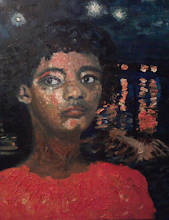
Amen Par Ankh Earthday
The
Amen Par Ankh in Kansas City is celebrated Earthday during the Vernal Equinox! We also contribute to the Earth Day celebrations in April.
The Envisioning of New Life at Amen Par Ankh Earth Day Celebration Is held at the Freedom Fountain Amphitheatre

We gather from 10:00am for our Noon Libations and Festival of the Peret Seeds.
We will have an online presentation with workshops on Envisioning- Vision boards, Mandela Healing circles, Dream Catchers, Smudge sticks, and other Make and Take items for contributions.
Earth Day is an annual celebration usually recognized in the spring. Many special events are held worldwide to demonstrate support for Ecology
and environmental protection and stewardship. Mother Earth is a nurturing life-giving force. She responds to the season and elemental powers of the son and
atmosphere.


Kemetic deities evolved over time. As the old kingdom gave way to the middle kingdom, Mut was transformed into Het-Heru (Hathor), and ultimately Auset (Isis). Auset is the goddess of the earth. This page describes her in her capacity as Mother Nature, the goddess progenitor of animals, and the inventors of new plant life. Ancient Greeks identified Auset with the goddess Aphrodite (foam-arisen) and the Romans as Venus. Both Aphrodite and Venus were considered goddesses of love, beauty, sex, fertility, prosperity and, through association as Earth Mother.


One of the most famous of these figurines, is the Venus of
Willendorf. She is believed to have been carved somewhere between 24,000 to
22,000 BCE, in the Upper Paleolithic or late Stone Age. It is widely believed
that these figurines represent the mother goddess of fertility.


These most ancient depictions of a mother goddess further suggest a more
sophisticated and global view of a creator goddess or Earth Mother. This “Earth
as Mother” motif is found in many mythologies around the planet. The goddess
figure embodies or personifies a fertile earth. She is seen as the creative
force, often giving birth to a myriad of other deities, or to the universe
itself.
In Sumerian mythology, the earth goddess Ki (cuneiform ki is the sign for earth) as the consort of Anu, an earth god. It is Anu and Ki who give birth to the Anunnaki, recently made popular by proponents of Ancient Astronaut Theory.
In Sumerian mythology, the earth goddess Ki (cuneiform ki is the sign for earth) as the consort of Anu, an earth god. It is Anu and Ki who give birth to the Anunnaki, recently made popular by proponents of Ancient Astronaut Theory.
The notion of an earth mother Mut or Maut (Ma'at) is the ancient Kemetic (Egyptian)
mother goddess. Mut was known as the “primal mother of all who was born of the
sun.” As a creator deity, Mut was revered as the mother from whom the cosmos
emerged. She is associated with the primordial waters of Amen, from which everything was
born.
Through parthenogenesis, a form of asexual reproduction in which the
development of embryos occur without fertilization- Immaculate Conception… (shades
of the virgin birth mythos)
Just as Aphrodite is portrayed as emerging from the sea upon a scallop shell, so is the ancient title for the Blessed Virgin Mary the Star (Polaris or the North Star) of the Sea. With Mother Mary, the virgin birth motif is carried into Christian mythology. Although modern Christianity does not necessarily view Mother Mary as an Earth or Mother Goddess, early Christian sects, circa 300AD did.
Modern western culture has multiple representations of Earth Goddess. Most widespread is the Mother Nature motif. Another popular and more recent representation of Earth Goddess is Earth as Gaia. The ancient Greek earth goddess Gaia has in modern times become the name for Gaia philosophy, where it is postulated that organisms interact with their inorganic surroundings on Earth to form a self-regulating, complex system that contributes to maintaining the conditions for life on the planet.
 An intriguing psychedelic and shamanic mythology for Mother
Nature is personified in the South American Mother
Ayahuasca motif. Mother Ayahuasca is a benevolent and loving entity encountered
by shamans.
An intriguing psychedelic and shamanic mythology for Mother
Nature is personified in the South American Mother
Ayahuasca motif. Mother Ayahuasca is a benevolent and loving entity encountered
by shamans. In our modern world of climate change and renewed pressures placed upon our precious natural resources, a deeper understanding of “Goddess” or Queen Mother earth-based philosophy is vitally important. Let us not forget that our shared Mother Earth is but a tiny speck in the vastness of space.


Living consciously is not only about knowing the Glory of Our-Story and the heritage of our Ancient Ancestors. We must breathe new life back into our Children by cultivating living creative spiritual lifestyles!
*How many of our Indigo Families practice their own languages and disabused their US surnames- outside of US religion or cult indoctrination?
*How many of our families name their infants and newly born souls, after a spiritually conscious name that aligns with their destiny?
*How many have a relationship with a local Spiritual Elder, counselor or mentor, who can connect and share the Destiny, Health, Career, and Relationships of your family network? Many only depend on organized Indoctrinations of Religions or organizations from their oppressors, that function outside of their families for consultations and advice.
*How many conscious families Meditate, Venerate their Ancestors, Chant, Pray together?
*How many practice Breathing, Martial Arts, Exercise, Massage, Listen to music together, or even, play, sing, dance, exercise, draw or paint together?
*How many families constructively come together to assess growth and development and plan for generational wealth? Economics is a family-based system, our greatest economic success from our Ancestral past would last and accumulate for thousands of years! We practiced communal, family-based, gnome-driven Group economics. These structures provided generational and residual wealth.
*Do you have vision boards in common to envision a place together in your future?
*How many families home-school their children?
*Do you read to or with your children? What choices of books do you share?
*How many of our families EAT and drink together? What are we feeding our youth?
*Are we growing our own foods and healing herbs, and know that the Mind Soul and Body are connected?
*How many youth are involved with a rite of passage program?
*How many youth are directly connected to a Family elder or Mentor?
*How many families homestead, or hunt, fish, or create or produce together collectively?
*How many own their own land and resources
*How many manufacture and produce their own products that they need?
*How many create cultural and industrial Arts and crafts? There are now an abundance of Alternative healing resources available for people to live prosperously.
*Do we celebrate the seasons of life- The Equinoxes and Solstices?
*Do we take nature walks and commune with the universe like Birding, Plant Identification, Stargazing, Sun-watching, Moongazing visiting spiritual centers like mounds or caves?
*Do we bless our homes and new businesses with a Spiritual Elder who can cleanse and bring good spirits to our environments?
* Do we should employ and seek the counsel of our elders for accountability, in all-new matters and concerns...
We must encourage our youth to return to their neighborhoods and families to rebuild our own economies, outside of the Race supremacy system. Other cultural communities are successful because they Love and employ their own youth in a family-based economic system for accountability. We have cooperative economic systems based on culture, language, foods, and manufacturing/production.
We are a Non-profit Religious, Educational, Scientific, Charitable Organization:
The information on this website has been put together for general information, education, reference, Spirituality Current Events and entertainment purposes only and is not intended to provide medical advice. This information has not been evaluated by the Food and Drug Administration and is not intended to diagnose, treat, cure or prevent any specific condition. Ask your doctor for his professional advice before making radical changes in your diet and lifestyle
We must encourage our youth to return to their neighborhoods and families to rebuild our own economies, outside of the Race supremacy system. Other cultural communities are successful because they Love and employ their own youth in a family-based economic system for accountability. We have cooperative economic systems based on culture, language, foods, and manufacturing/production.
Kandaki-Ma Nuta Beqsu (Adenike Amen-Ra)
I hope you have enjoyed our presentation. Amen Par Ankh is our Outreach ministry. Please support our initiatives...
(c) All rights reserved. No part of this Blog may be reproduced or transmitted in any form or by any means, electronic or mechanical, including photocopy, recording, or any information storage and retrieval system, without prior permission in writing from the author; Nuta Beqsu Adenike AmenRa
We are available for Lectures, Panel Discussions, Conferences, and Workshops, along with an Af-Ra-Ka-N Centered curriculum for youth STEAM homeschooling, Workshops, and Itinerate Tutoring. We live in our ancient KMT Spiritual systems to serve our community in Libations, Griot Spoken Word Presentations, KMT Wedding, Naming and ReBirth, Personal consultations for Nia (Purpose), Health, Career and, Relationship, and Ascension officiant, Salutations and Blessings for new beginnings, (Home and Businesses blessings), Afrikan Storytelling. Amen Par Ankh is a Sacred Temple of Life- We are a KRST conscious Community. We Grow Food to restore balance in our relationship with the cosmos, earth, and our Natural communities by increasing awareness of Life, Health, and the Environment. We are a Maafia a "Healthy Place To Live" Amen Ankh Urban Farm’s Mission is to produce, promote, and perpetuate food, resources, and comfort and to grow local healthy Indigenous Foods in environmentally, respected, earth gentle ways. Call Us-816-281-7704
The information on this website has been put together for general information, education, reference, Spirituality Current Events, and entertainment purposes only and is not intended to provide medical advice. This information has not been evaluated by the Food and Drug Administration and is not intended to diagnose, treat, cure, or prevent any specific condition. Ask your American Medical Doctor for professional advice before making radical changes in your diet and lifestyle.
Kandaki-Ma Nuta Beqsu (Adenike Amen-Ra)
I hope you have enjoyed our presentation. Amen Par Ankh is our Outreach ministry. Please support our initiatives...
(c) All rights reserved. No part of this Blog may be reproduced or transmitted in any form or by any means, electronic or mechanical, including photocopy, recording, or any information storage and retrieval system, without prior permission in writing from the author; Nuta Beqsu Adenike AmenRa
We are available for Lectures, Panel Discussions, Conferences, and Workshops, along with an Af-Ra-Ka-N Centered curriculum for youth STEAM homeschooling, Workshops, and Itinerate Tutoring.
I hope you have enjoyed our presentation. Amen Par Ankh is our Outreach ministry. Please support our initiatives...
(c) All rights reserved. No part of this Blog may be reproduced or transmitted in any form or by any means, electronic or mechanical, including photocopy, recording, or any information storage and retrieval system, without prior permission in writing from the author; Nuta Beqsu Adenike AmenRa
We are available for Lectures, Panel Discussions, Conferences, and Workshops, along with an Af-Ra-Ka-N Centered curriculum for youth STEAM homeschooling, Workshops, and Itinerate Tutoring.
We live in our ancient KMT Spiritual systems to serve our community in Libations, Griot Spoken Word Presentations, KMT Wedding, Naming and ReBirth, Personal consultations for Nia (Purpose), Health, Career and, Relationship, and Ascension officiant, Salutations and Blessings for new beginnings, (Home and Businesses blessings), Afrikan Storytelling. Amen Par Ankh is a Sacred Temple of Life- We are a KRST conscious Community. We Grow Food to restore balance in our relationship with the cosmos, earth, and our Natural communities by increasing awareness of Life, Health, and the Environment. We are a Maafia a "Healthy Place To Live" Amen Ankh Urban Farm’s Mission is to produce, promote, and perpetuate food, resources, and comfort and to grow local healthy Indigenous Foods in environmentally, respected, earth gentle ways. Call Us-816-281-7704
The information on this website has been put together for general information, education, reference, Spirituality Current Events, and entertainment purposes only and is not intended to provide medical advice. This information has not been evaluated by the Food and Drug Administration and is not intended to diagnose, treat, cure, or prevent any specific condition. Ask your American Medical Doctor for professional advice before making radical changes in your diet and lifestyle.
"Economics Is A Family-Based System!"
Ankh Seneb Wdjet (Life health Spiritual Power) to the Ancient Indigenous Ones globally! Love, Truth, Peace, Freedom, Justice, Unity, Equality, Light, and Blessings!Other Ways You Can Help Amen Ankh (Sacred Life) Akademy-
We are a Non-profit Religious, Educational, Scientific, Charitable Organization:- Sound travels, Please blast and share our information and create the awareness for this Ministry and Campaign to your friends, family, co-workers, your social media, educators, mayors, artists, and EVERYONE. The more we raise, attention, the more we can do! We sincerely thank you for your time and contribution. Htp Ankh Ra (Peace Life Sun.)
Ankh Seneb Wdjet (Life health Spiritual Power) to the Ancient Indigenous Ones globally! Love, Truth, Peace, Freedom, Justice, Unity, Equality, Light and Blessings!
- With your Donations of $30 or more, you will receive an Ebook:
NATION BUILDING HOW TO By: Sasteh Meter Mosley

NATION BUILDER HOW TO
You are Invited to support our fundraising initiative for Amen Ankh Akademy Green STEAM Network: Please Contact:
Sba Nuta- Kandaki Ma Nuta Beqsu Adenike Moses Amen-Ra El
Donate through PayPal: amen.parankh@gmail.com or amen-comm@live.com
WE WILL BE HAPPY TO RECEIVE ANY IN-KIND DONATIONS AND CONTRIBUTIONS OF:
Ankh Seneb Wdjet (Life health Spiritual Power) to the Ancient Indigenous Ones globally! Love, Truth, Peace, Freedom, Justice, Unity, Equality, Light and Blessings!
- With your Donations of $30 or more, you will receive an Ebook:
NATION BUILDING HOW TO By: Sasteh Meter Mosley
You are Invited to support our fundraising initiative for Amen Ankh Akademy Green STEAM Network:
|
| NATION BUILDER HOW TO |
Please Contact:
Sba Nuta- Kandaki Ma Nuta Beqsu Adenike Moses Amen-Ra El
Sba Nuta- Kandaki Ma Nuta Beqsu Adenike Moses Amen-Ra El
Donate through PayPal: amen.parankh@gmail.com or amen-comm@live.com
WE WILL BE HAPPY TO RECEIVE ANY IN-KIND DONATIONS AND CONTRIBUTIONS OF:
- Automobile, Truck Real Estate: (Vacant Lots, Homes and Buildings) Donations-(Tax write-off receipts available)
- Vacant Lots, Houses, Old Churches, Buildings, Sheds, Trailers etc.
- Farming Equipment
- Laptops or other Hi-tech Items for Amen Ankh Akademy, our Green STEAM Homeschool Cooperative
- Work Wear for Construction, Farming, and Landscapers
- Winter Wear, Socks, Hats, Gloves
- Hygiene Products, for Young Men and Women;
- Water and Healthy Food Commodities for scholars...
- Afrikan Centered Education, Books, History, Biographies
 |
Ma'at is the Kemetic, Principal, and philosophy of Order, Justice, Reciprocity, and Balance. She is known for the 42-177 Virtuous Laws.( These laws were refined to the 10 Mosaic laws, better known as the 10 Commandments. Maat is adorned with Eagle wings on her arms, an Ostrich feather as her crown, and a scale to weigh the heart of an initiate against her feather for it's purity. |
The information on this website has been put together for general information, education, reference, Spirituality Current Events and entertainment purposes only and is not intended to provide medical advice. This information has not been evaluated by the Food and Drug Administration and is not intended to diagnose, treat, cure or prevent any specific condition. Ask your doctor for his professional advice before making radical changes in your diet and lifestyle